How Gym Apps Help Reduce Member Dropouts (Retention Strategies)
min read • Sun Dec 07 2025
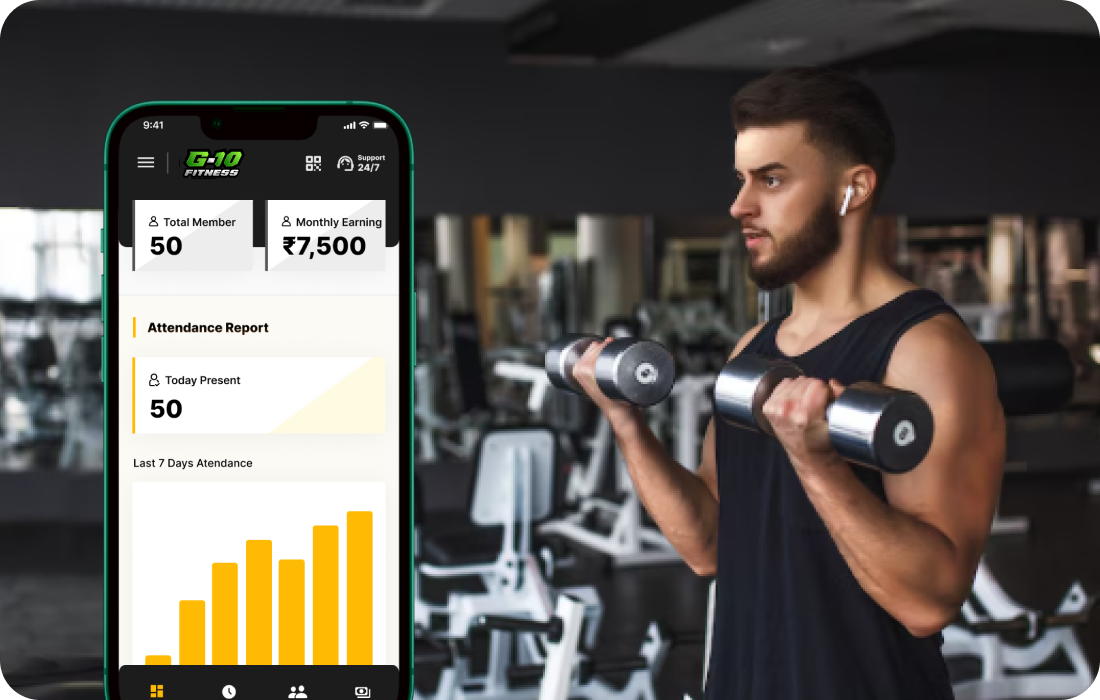
How Gym Apps Help Reduce Member Dropouts (Retention Strategies)
Member dropout—also known as churn—is one of the biggest challenges gym owners face. No matter how impressive your facility or how advanced your equipment is, a gym cannot grow sustainably without consistent member retention. The truth is, people don’t leave gyms because they dislike fitness. Most leave because they lose motivation, feel disconnected, or don’t see enough progress.
This is where gym apps have quietly become retention powerhouses. They help gym owners stay connected, guide members, track progress, deliver accountability, and create a community—all of which dramatically reduce dropout rates.
In this article, we’ll deeply explore how gym apps reduce member dropouts, the retention strategies they support, and why every fitness center—from large clubs to boutique studios—needs one.
1. Why Members Drop Out of Gyms
Before understanding how apps fix the problem, we need to understand why members leave. Here are the most common reasons:
- Lack of motivation over time
- No visible progress, leading to discouragement
- Irregular attendance and loss of habit
- Feeling disconnected from trainers or the gym environment
- Poor onboarding experience
- Confusing schedules or lack of workout structure
- No accountability
- Limited communication from the gym
- Not feeling valued or supported
A gym app directly targets each one of these issues, turning weaknesses into opportunities for higher retention.
2. The Modern Gym App as a Retention Engine
A gym app is more than a digital platform—it’s a complete member engagement system.
It gives members:
- Personalized fitness plans
- Progress tracking and analytics
- Easy access to schedules, bookings, and trainers
- Motivational tools
- Community features
- Rewards and milestones
And for gym owners, it offers:
- Member insights
- Behavior tracking (attendance, progress, engagement)
- Automated communication
- Marketing tools
- Feedback systems
These combined tools help retain members by keeping them active, informed, and motivated.
3. Retention Strategy #1: Better Onboarding (First 30 Days Matter Most)
Studies show that over 50% of gym dropouts happen within the first three months. Poor onboarding makes members feel lost and unsupported.
How Gym Apps Improve Onboarding
Digital Welcome Journey
Members receive automated welcome messages, gym rules, class suggestions, and tutorials—right on their phone.
Goal-Setting Tools
Apps help members set achievable goals (weight loss, strength gain, flexibility, etc.), building early motivation.
Introductory Assessments
Body stats, fitness levels, and personal preferences help create a personalized plan.
Personalized Training Programs
Instead of general guidance, members get workouts tailored to their needs.
Frictionless Class Bookings
New members can instantly book sessions without asking staff or waiting in line.
Why This Reduces Dropouts
A great onboarding experience keeps members from feeling confused or overwhelmed. When they start strong, they stay longer.
4. Retention Strategy #2: Constant Motivation & Communication
Most members drop out because motivation fades. A gym app solves this through:
Push Notifications & Reminders
- Workout reminders
- Session booking alerts
- Trainer updates
- Encouragement messages
Consistent nudges help members stay accountable.
Progress Updates
Weekly or monthly reports help members see how far they’ve come.
In-App Messages
Trainers can message members directly, answer doubts, and boost adherence.
Gamification Elements
- Badges
- Streak counts
- Rewards for completing workouts
Gamification makes fitness fun and addictive—in a healthy way.
5. Retention Strategy #3: Personalization at Scale
Personalized services are no longer a luxury—they're an expectation.
How Gym Apps Personalize the Fitness Journey
Customized Workout Plans
Exercise routines based on goals, fitness level, and time availability.
Nutrition Guidance
Meal suggestions, calorie tracking, and diet reminders.
Adaptive Workouts
If a member misses sessions, the app adjusts their plan.
Progress Visualization
Graphs and charts help members see improvement.
How This Improves Retention
Members feel seen and supported. Personalized plans drive quicker results, making members happy and less likely to quit.
6. Retention Strategy #4: Attendance Tracking & Habit Building
One of the strongest predictors of retention is consistent attendance.
Gym apps support this through:
1. Attendance Logs
Members can track frequency and consistency.
2. Automated Alerts
If someone hasn’t shown up in a while, the app reminds them—or notifies the trainer.
3. Streak Challenges
A gamified way of encouraging discipline.
4. Class Booking Systems
Members commit ahead of time, reducing cancellations.
Why This Works
Humans love streaks, reminders, and measurable progress. These tools reinforce habit formation, which drastically reduces dropout rates.
7. Retention Strategy #5: Community Building Inside the App
Humans stay where they feel they belong.
A gym app helps build community through:
Group Challenges
- Step contests
- Fat loss challenges
- Strength progress competitions
Social Feeds
Members can share wins, photos, or achievements.
Leaderboards
Encourages friendly accountability.
Chat Groups
- Trainer groups
- Diet groups
- Beginner communities
Online Workshops & Live Sessions
Create ongoing engagement—even when members aren’t physically present.
Why This Works
Belonging = retention.
Members who feel part of a community rarely leave.
8. Retention Strategy #6: Ease of Access & Convenience
Members drop out when things feel difficult—booking classes, talking to trainers, tracking progress, etc.
A gym app makes everything effortless:
Appointment Scheduling
Book, reschedule, or cancel with one tap.
Digital Payments & Renewals
No waiting at the counter.
Workout Library
Videos, instructions, alternatives—members never feel lost.
Trainer Access
Direct communication boosts member satisfaction.
Event and Class Notifications
No more missing sessions.
Convenience is one of the biggest drivers of retention. If it’s easy, members stick to it.
9. Retention Strategy #7: Visible Progress Tracking
If members don’t see progress, they lose interest.
Gym apps solve this by tracking:
- Body measurements
- BMI changes
- Strength gains
- Workout history
- Calories burned
- Heart rate zones
- Performance metrics
Progress graphs are powerful motivators.
Why This Reduces Dropouts
Members stay when they feel successful.
Visual proof of improvement fuels long-term commitment.
10. Retention Strategy #8: Offering Hybrid Training Options
Some members can’t visit the gym daily. A gym app keeps them engaged even on off days through:
- Home workout videos
- Virtual classes
- Trainer-led online sessions
- AI-powered routines
This maintains continuous connection with the gym.
Why This Works
Members don’t feel like they’re “missing out” when life gets busy.
The gym stays a part of their routine—even outside the building.
11. Retention Strategy #9: Feedback Collection & Member Insights
Successful gyms listen to their members.
Gym apps allow:
Quick Feedback Forms
Members can share concerns instantly.
Ratings for Trainers & Classes
Trainers improve based on direct feedback.
Service Improvement Insights
Owners understand what’s working and what’s not.
Data-Backed Decision Making
- Which classes are popular?
- What time slots are busiest?
- Who is at risk of dropout?
Why This Helps Retention
Issues get solved earlier, before the member decides to quit.
Proactive gyms retain more members.
12. Retention Strategy #10: Rewards, Badges & Loyalty Programs
Gamified incentives help members feel recognized.
Examples of App-Based Reward Systems
- Points for attending sessions
- Badges for completing challenges
- Discounts for consistent attendance
- Free merchandise on achieving milestones
- Referral rewards
Psychology Behind This
Recognition boosts motivation.
Rewards make members feel valued.
Both significantly reduce dropout likelihood.
13. Retention Strategy #11: Trainer-Member Relationship Strengthening
A strong trainer-member bond is one of the most powerful retention elements.
Gym apps help trainers:
- Monitor member progress
- Send personalized messages
- Share tips or video guides
- Adjust plans in real time
- Celebrate member milestones
- Offer accountability check-ins
Why This Matters
Members leave gyms, but they rarely leave good trainers.
Apps enable trainers to deliver personalized attention—even outside the gym.
14. Retention Strategy #12: Real-Time Alerts for At-Risk Members
A gym app can analyze:
- Decreasing attendance
- Lower engagement
- Workout streak breaks
- Slowed progress
And notify owners or trainers when a member is at risk of dropping out.
Why This Is Powerful
Early intervention = higher retention.
A simple check-in message can prevent a cancellation.
15. Retention Strategy #13: Eliminating Confusion & Miscommunication
Member frustration often comes from:
- Not knowing class schedules
- Booking issues
- Payment misunderstandings
- Program confusion
A gym app centralizes:
- Schedules
- Fees
- Plans
- Announcements
- Events
- Workout instructions
When communication is smooth, satisfaction increases—dropouts decrease.
16. Retention Strategy #14: Supporting Long-Term Fitness Journeys
Most gyms focus on daily attendance, but real retention comes from long-term support.
Gym apps provide:
Yearly Progress Review
Members can see a 12-month transformation.
Seasonal Workout Programs
Winter routines, summer challenges, festival-fit programs, etc.
Long-Term Goal Tracking
A structured roadmap maintains motivation over months.
Habit Tracking
Sleep, water intake, steps—holistic wellness builds long-term loyalty.
17. Retention Strategy #15: Handling Renewals Automatically
Renewals are one of the biggest retention points.
If renewal is complicated, members drop off.
Gym apps make renewals:
- Automatic
- Fast
- One-tap easy
- With reminders
- With rewarding offers
This alone boosts retention significantly.
18. Why Gyms Without Apps See Higher Dropout Rates
Gyms without apps often suffer from:
- Poor engagement
- Weak communication
- Untracked attendance
- Low motivation
- Zero personalization
- Lack of community
- Missed feedback
- Manual processes
- Poor onboarding
All these factors push members away—even if the gym facilities are good.
19. The Long-Term Business Impact of Higher Retention
Better retention leads to:
- Higher revenue
- Increased referrals
- Stronger brand reputation
- Better ROI
- Lower marketing costs
- Strong trainer performance
- Consistent community growth
Retention is far more profitable than new acquisition.
Conclusion: Gym Apps Are the Future of Retention
Reducing member dropout is not about luck—it’s about strategy.
A gym app becomes the central hub of these strategies:
- Personalization
- Progress tracking
- Communication
- Motivation
- Convenience
- Community building
- Accountability
Gyms that use these tools see higher member satisfaction, stronger engagement, and long-lasting memberships.
If you want to reduce churn, build loyalty, and grow your gym sustainably, a gym app like G10 Fitness is no longer optional—it's essential.